OBV & RSI & Moving Average Crossover Stocks Best Stocks Strategy
This learn stocks tutorial will show an example of a Best Stocks Strategy that swing traders can use to come up with a profitable Stocks Best Stocks Strategy. Based on the popular stocks strategy, where stock investors use volumes to predict stocks price direction, based on the concept "Volumes always precede stocks price", in stock trading market, there is no central clearing house where volumes are aggregated, so in we use an indicator that will estimate the volumes. This stocks indicator is known as On Balance Volume.
This stocks indicator is then combined with RSI & Moving Average Crossover Best Stocks Strategy to form a Stocks Best Stocks Strategy. The Indicator settings are:
- 5 and 7 LWMA, Linear Weighted Moving Averages
- RSI 14
- OBV
Timeframe: 4 H Chart
Entry Signal
Buy
- Both Moving Average pointing up
- RSI above 50
- OBV is in an upwards stocks trend-line or it has broken downward trend-line
Sell
- Both Moving Average pointing down
- RSI below 50
- OBV is in a downward trend-line or it has Broken upward Trend-line
Exit Trading Signal
OBV stocks trend line is broken
RSI gives an opposite trading signal - 50 centermark cross over
You can read more about writing a Best Stocks Strategy rules Writing Best Stocks Strategy Rules and Generating Signals
You can also Read about other Stocks Strategies: Strategies List
Examples of How to generate Signals with This Best Stocks Strategy
Before looking at example below, using the 138 pips and 177 pips profit examples, you need to learn the concept of volumes precedes stocks price & On Balance Volume technical indicator.
The On Balance Volume trading indicator uses volumes to measure the money flowing into a stocks instrument or money flowing out of a stocks.
OBV indicator most popularly used for stocks analysis. The concept behind On Balance Volume is that Volume precedes stocks price always and when it comes to analyzing the direction of a financial instrument whether a stock or a stocks instrument nothing is more crucial to this analysis as understanding the volumes that are flowing in and out of a stocks. These volumes can be in terms of money, in Stocks because charts moves in ticks data, the more money in a stocks instrument the more the ticks data, therefore volumes in Stocks will measure number of tick data participating in a stocks.
On Balance Volume acts as a leading indicator giving a one an idea of how much buying pressure or selling pressure is moving into a stocks. And because volumes precedes stocks trading price then this can be used as a good indicator to show the general investor sentiment.
For a Stocks Best Stocks Strategy a one requires indicators are calculated differently. For example our Best Stocks Strategy is based on
RSI - momentum indicator
MA - direction based indicator
OBV - volume based technical indicator
A Best Stocks Strategy like this give a good overall picture of the stocks market movement by taking into account three different calculation techniques as opposed to using Three oscillators that give signals based on the same calculation method.
The OBV will measure the tick volume of a stocks instrument, for every candlestick. If you use the 1 hour chart timeframe, then the volumes will measure the total volume for the 1 hour. If you use day charts then the volume will measure the total volumes for stocks for the whole day.
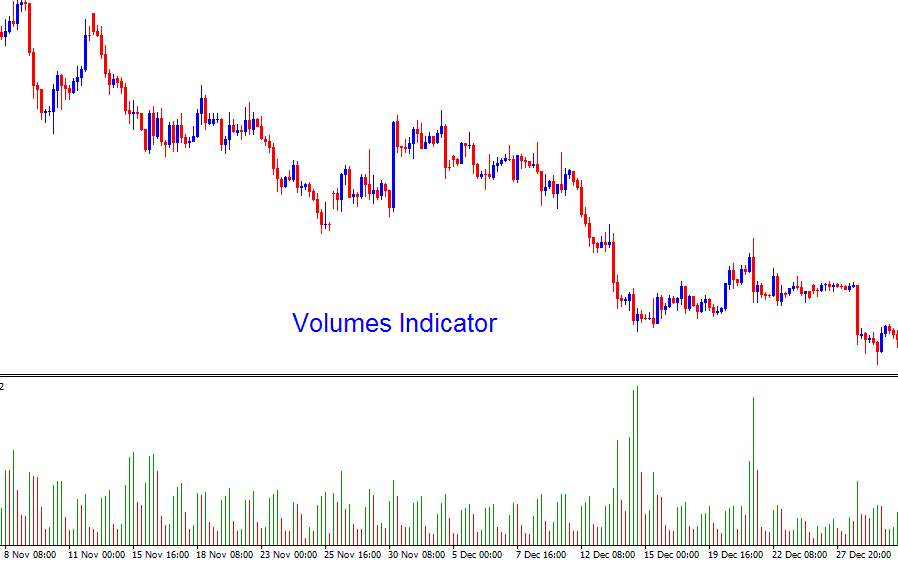
However, the volumes indicator doesn't show the direction of the volumes, only differentiating by colors for the different candlesticks, Green for Bullish Candles and Red for Bearish Candles.
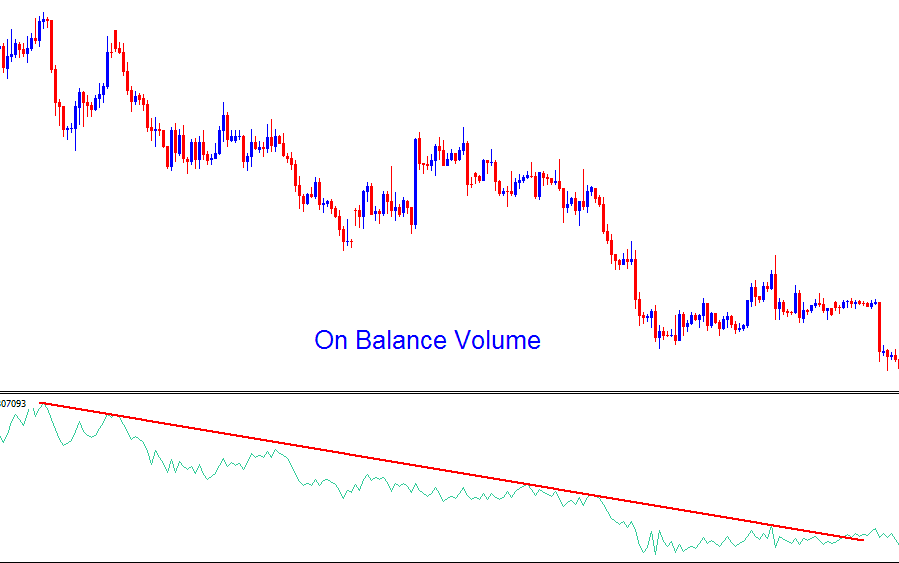
This is where the On Balance Volume comes in and adds a direction to the volumes and shows the overall direction that the volumes are flowing, whether into or out of a stocks.
Volume Precedes Stock Price
Volumes always precede stocks price, this makes volumes a leading technical indicator. Knowing how to interpret this helps a trader make better decisions when it comes to predicting where the stocks market direction is going to be moving to next.
When the volume rises it shows that money is starting to flow into a stocks. Because volumes will precede the stocks price, the next thing is that the value of a stocks instrument will then go up. When the OBV is going up it shows there are more buyers buying a stocks instrument than the sellers selling it.
When the volume falls it shows that money is starting to flow out of a stocks. Because volumes will precede the stocks price, the next thing is that the value of a stocks instrument will then go down. When the OBV is going down it shows more trading volume is going short than long.
Subsequently when a downward stocks trend line of the OBV is broken it shows that sellers are starting to take profit and close their stocks orders.
Likewise when the upwards trend line of the OBV is broken it shows that the buyers are starting to close their long positions & take their profits.
Because the On Balance Volume will add direction to the volume and form a general direction, a trader can compare the two, the stocks price direction and the OBV direction. The direction of these two should correspond but when there is a disconnect between these two then one should pay attention to know when to exit the stocks market or when to open an order.
On Balance Volume is a leading indicator and a trader using this indicator can avoid entering a market when it is too late. This Indicator is also a good indicator to show when to take a profit early enough before the stocks market takes away all your profit.
Stocks Indicator Formation
The OBV is the cumulative addition and subtraction of volume based on stocks price direction.
Upward direction - adds volume/ technical indicator moves up
Downwards direction - subtracts volume/ technical indicator moves up
Sideways market/Range market - technical indicator moves Sideways
Because stocks price moves in a zigzag manner, the OBV trading indicator will also form in a zigzag manner
Stocks Price Trend-lines
Most Traders will use these to generate buy & sell signals.
For our Best Stocks Strategy we shall use the OBV indicator to confirm these buy sell signals from stocks price trend-lines.
We shall draw a Trend-line on both the stocks price and Stock Technical Indicator. If both give the same signal we buy or sell depending on the direction.
This strategy will be used to determine two things.
Continuation of the current market direction
Reversal of the current market direction